Shades
Blackout shades vs room-darkening shades
In this guide
For homes in New Jersey and New York, the difference between blackout shades and room-darkening shades is not just a fabric label. A fabric may block light across its surface, while the completed installation still allows light around the sides, top, or bottom. The finished result depends on the material, measurements, mounting position, hardware, window depth, and any added light-control details.
That distinction matters in bedrooms, nurseries, media rooms, and any space where a homeowner expects more than reduced glare. Before choosing a shade, define what the room needs to feel like at the brightest time of day.
Fabric opacity is only one part of the result
Window fabrics come in several opacity levels, including translucent, light-filtering, room-darkening, and opaque. An opaque fabric is designed to prevent light from passing directly through the material. That does not mean the entire window opening will become completely dark after installation.
Most shades need clearance to operate. With a typical roller shade, the fabric is narrower than the full width of the hardware. Depending on the mount and window, that difference can create visible lines of light at the edges. Light may also enter near the top or sill if the shade does not overlap those areas.
Room-darkening is a useful way to describe a broader range of results. It can mean substantially reducing daylight without trying to eliminate every visible glow. For many bedrooms and television rooms, that level of control may be comfortable. For a light-sensitive sleeper or a room used for projection, the remaining gaps may matter much more.
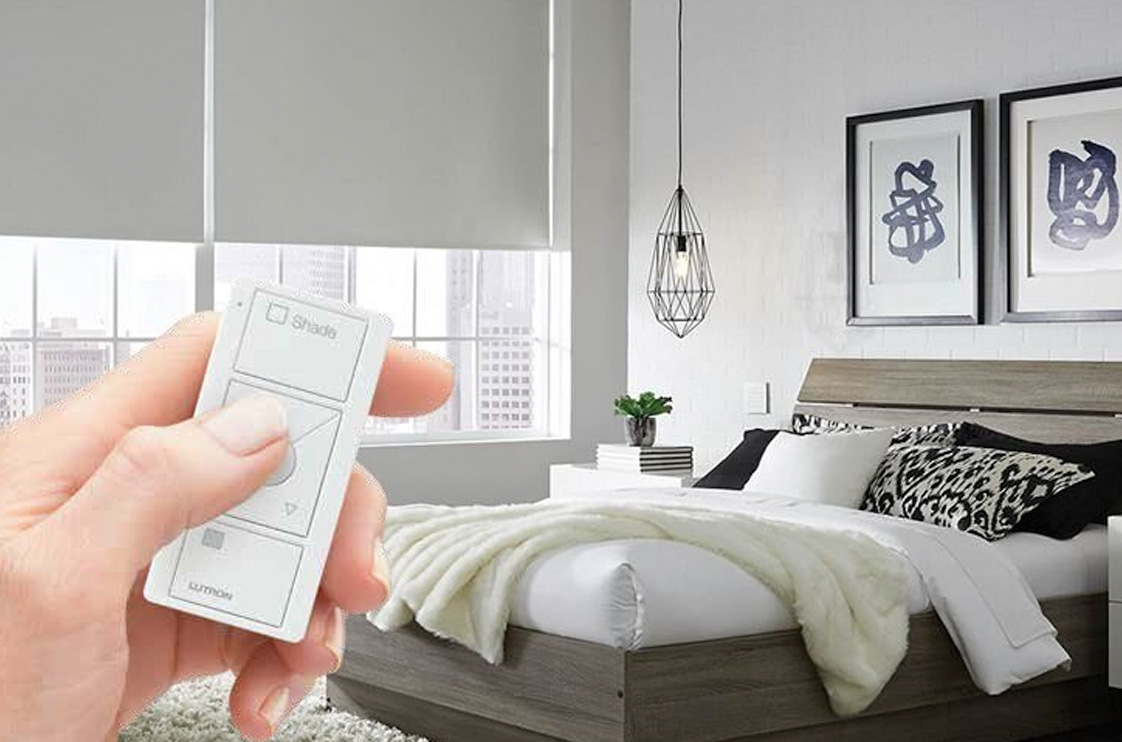
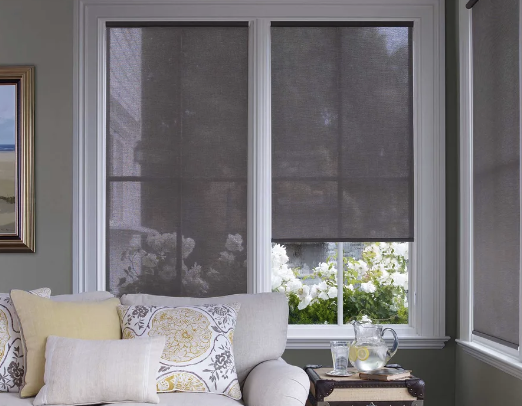
CMI’s custom roller shade options provide a starting point for comparing fabrics, mounts, and operating choices, but the expected room result should guide the specification.
Mounting changes the size and location of gaps
An inside-mounted shade sits within the window frame. It offers a contained appearance and can leave trim visible, but it must fit inside the available depth and width. The necessary operating clearance can allow light around the edges. Uneven frames and projecting hardware may further limit placement.
An outside-mounted shade sits over the opening or trim. With enough overlap, it may reduce light around the sides and top more effectively than an inside mount. The result depends on the wall, trim, sill, shade projection, and surrounding obstructions. Outside mounting also changes how much of the window and casing the treatment covers when lowered.
Neither method should be chosen from appearance alone. Measure the depth, identify handles or cranks, consider how the window opens, and observe where direct sun reaches the opening. In some rooms, keeping the trim exposed is more important than closing every possible light path. In others, greater overlap is the priority.
Side channels and overlap can tighten light control
Side channels are designed to manage the vertical edges of certain shade installations. When compatible with the selected system, they can reduce the light that would otherwise appear beside the fabric. Other details, such as a top enclosure or a sill condition that meets the lowered shade, may also help.
These components do not turn every window into a sealed opening. Corners, transitions, uneven surfaces, and installation tolerances still affect the result. Channels also add visible material at the sides of the window, which may or may not suit the room’s architecture.
For windows that do not support channels, a wider outside-mounted shade may increase overlap. A cornice, valance, or drapery layer may address other light paths.
Layering can solve more than one problem
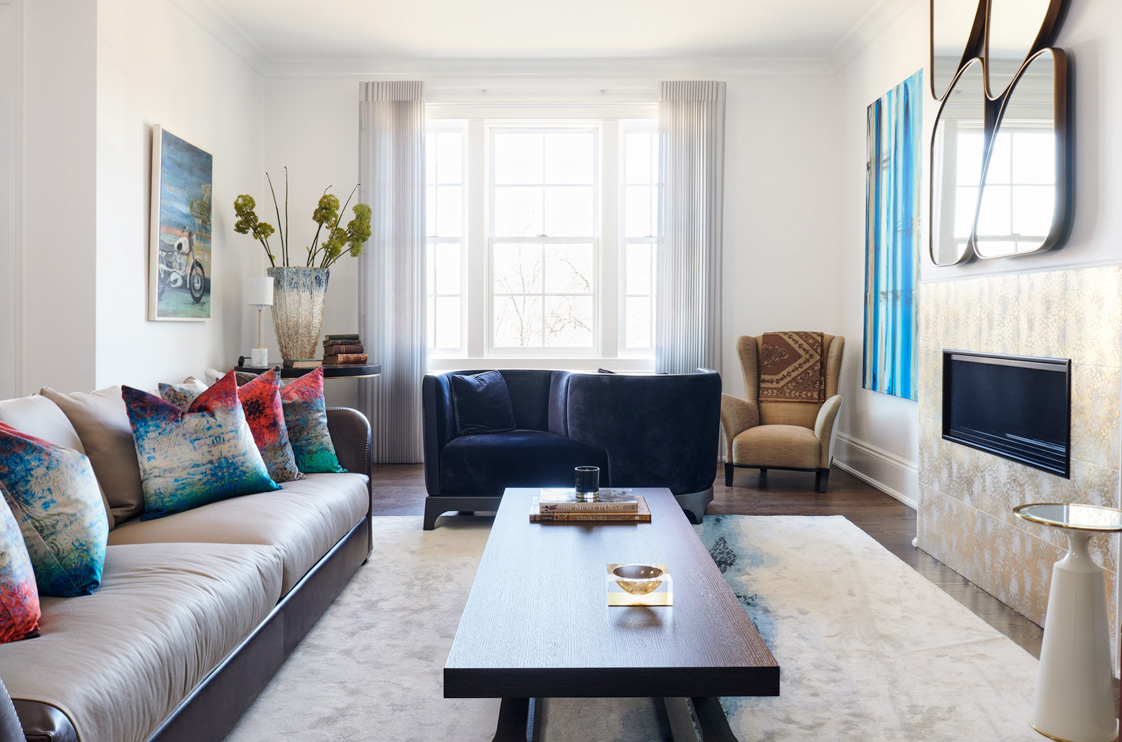
A single shade has to balance light control, daytime appearance, stack, and access to the glass. Layering separates some of those jobs. A room-darkening or opaque shade can provide the main coverage, while drapery adds side overlap and a softer frame around the opening.
Drapery can be especially useful at wide windows or doors where strict edge control from a shade alone would conflict with the desired look. The return at each side, center closure, fullness, lining, and floor or sill relationship all influence the outcome. Decorative panels that do not close should not be expected to provide the same function as operable drapery.
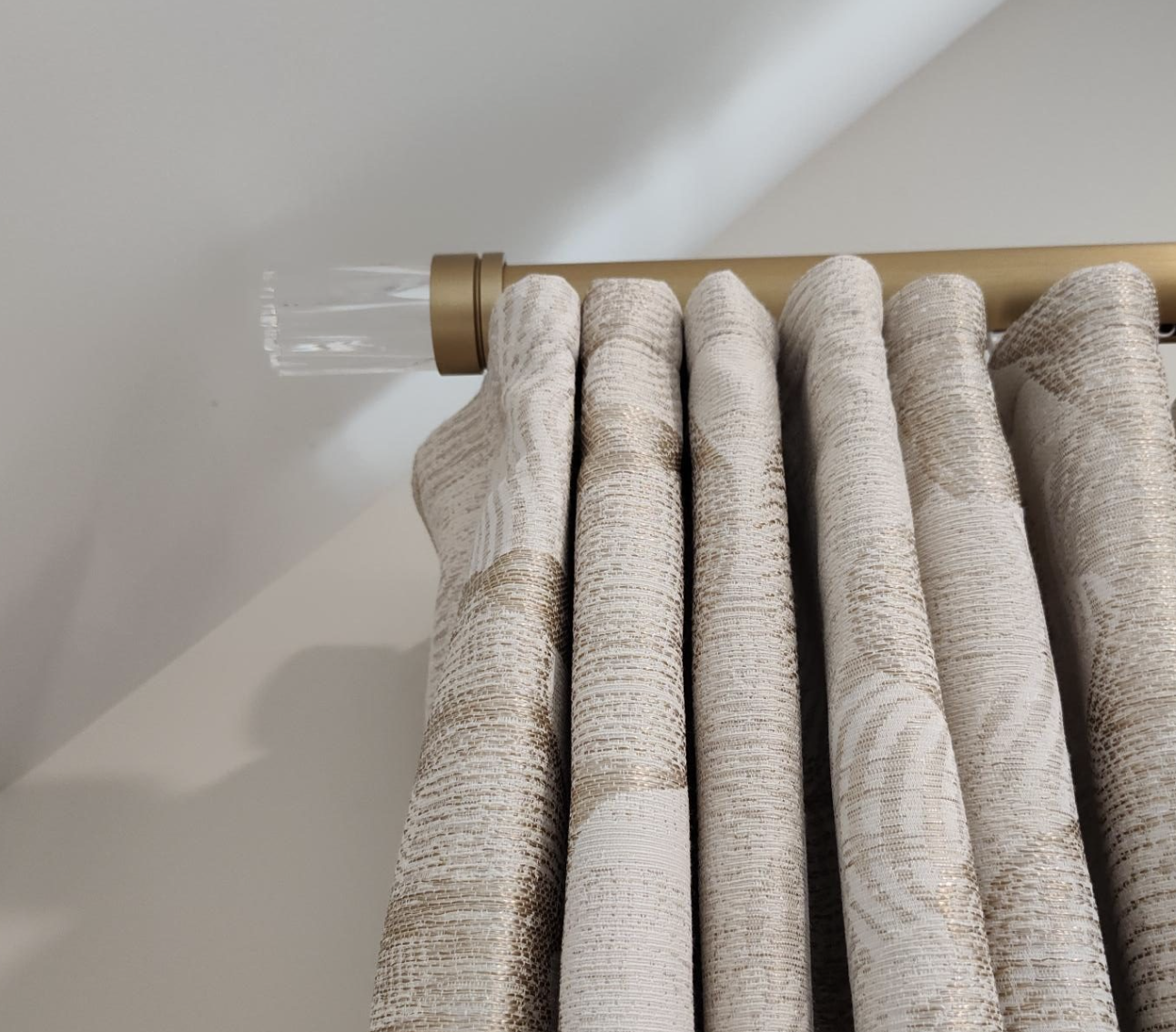
Hardware is part of that plan. CMI’s drapery hardware options can support layered designs, with the final rod or track selected for the treatment, span, operation, and mounting surface.
Let the room set the standard
A guest bedroom may only need a calmer, darker environment. A nursery may need flexible control for daytime rest as well as an attractive open-window view. A media room may need tighter management of direct light near a screen. A primary bedroom used by a light-sensitive sleeper may call for close attention to every edge.
Also consider when the room receives sun. A small east-facing gap may be noticeable early in the morning, while a west-facing room may have a different problem late in the day. Streetlights and nearby buildings can create nighttime concerns that are easy to miss during a daytime appointment.
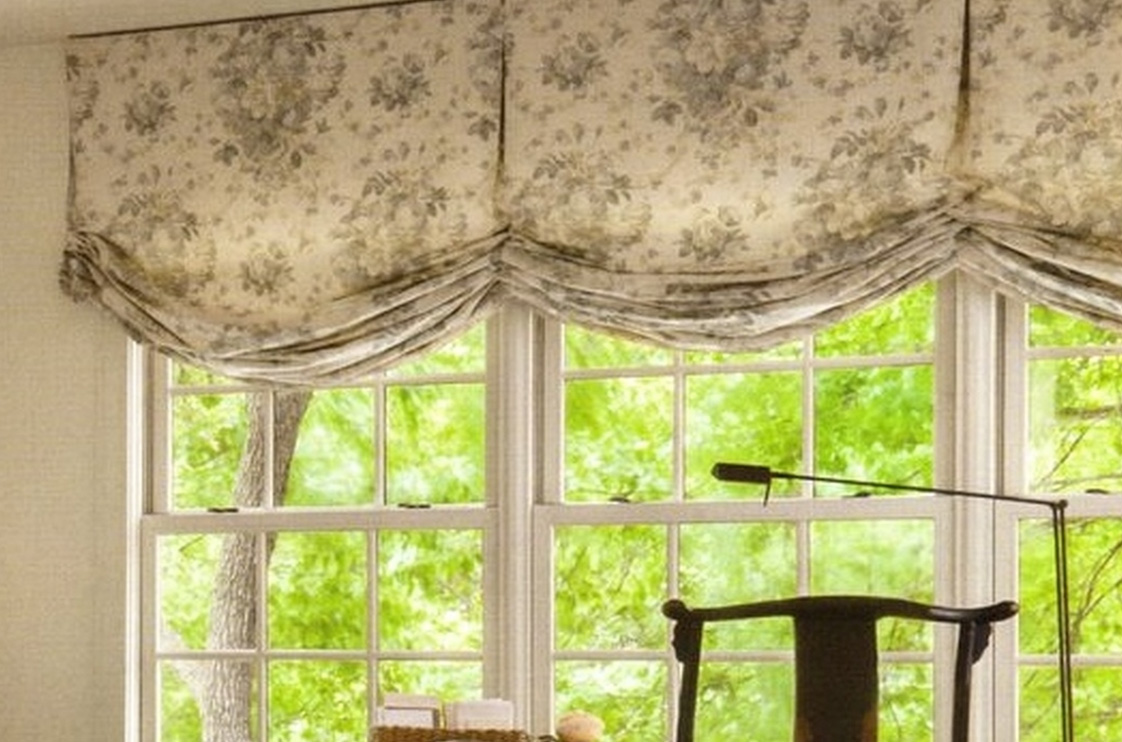
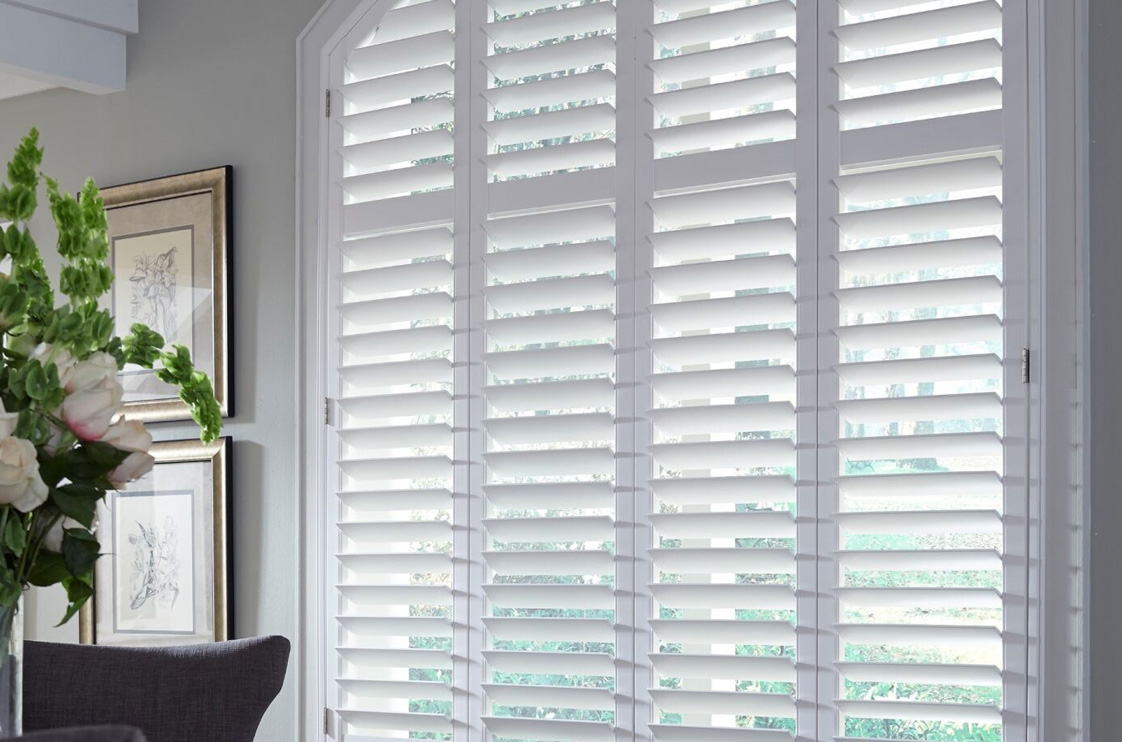
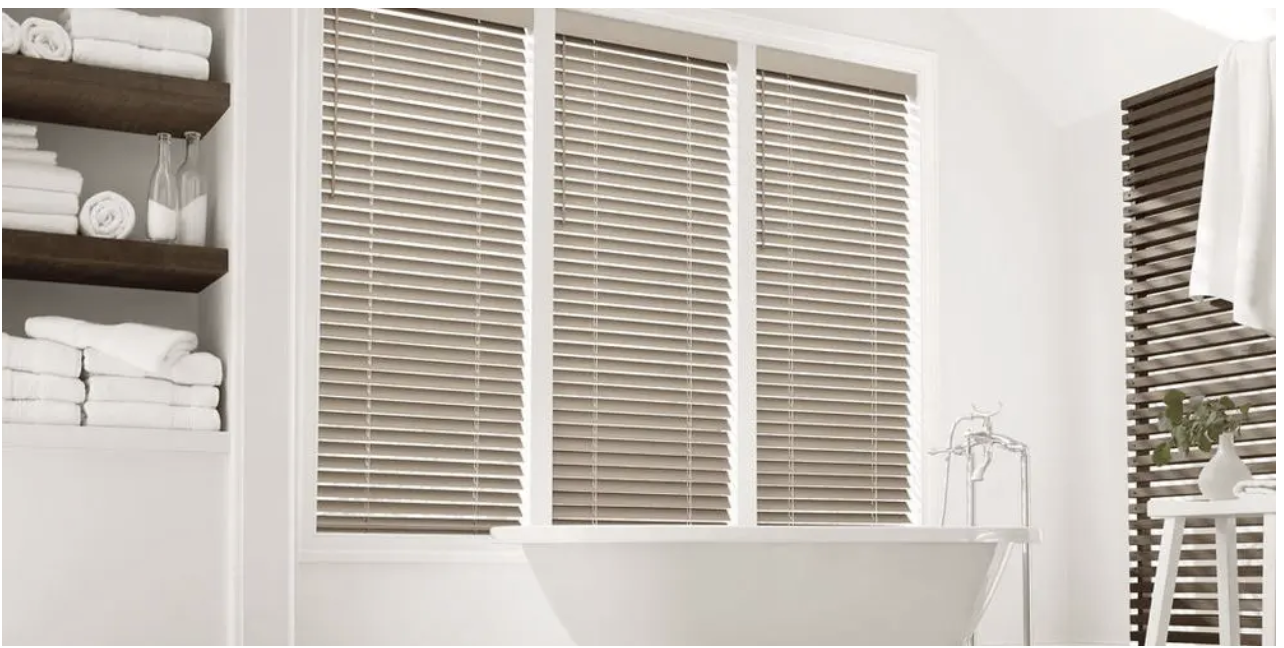
CMI also offers alternative shade styles that may suit rooms where softness, texture, or a layered look matters alongside light control. Product category names alone do not establish a precise darkness level, so fabric and installation details should be reviewed together.
Set expectations before selecting a product
The phrase blackout is often used to describe fabric, a shade category, or an overall room effect. Ask which meaning applies. If the priority is an opaque material, say so. If the goal is to reduce morning light enough for sleep, identify the most disruptive edges. If the expectation is a near-dark room during daylight, discuss the full opening and surrounding surfaces rather than relying on fabric alone.
Hunter Douglas and Lutron are examples of brands available through CMI that may be considered for shade projects. Exact fabrics, operating systems, mounting details, and light-control accessories vary by product and configuration. A brand name should not replace a clear conversation about the result the room needs.
Frequently asked questions
Does blackout fabric make a room completely dark?
Not by itself. Opaque fabric can stop light through the material, but light may remain around the installed shade. Mounting, overlap, channels, top and bottom conditions, and room surfaces all affect the final result.
Is an inside mount or outside mount better for room darkening?
An outside mount can allow more overlap, while an inside mount offers a contained look within the frame. The better choice depends on window depth, trim, obstructions, desired appearance, and the amount of edge light the room can tolerate.
Can drapery improve a blackout shade installation?
Operable drapery may cover side gaps and add another layer of light control when its dimensions, return, fullness, fabric, lining, and hardware are planned for that purpose. Decorative stationary panels provide a different result.
For a clearer comparison, look at the window in the conditions that matter most and describe the room’s goal in practical terms. CMI Window Fashions can review fabric opacity, mounting, overlap, layering, and operation for homes in New Jersey and New York. Request a consultation to plan the complete installation rather than choosing by the fabric label alone.